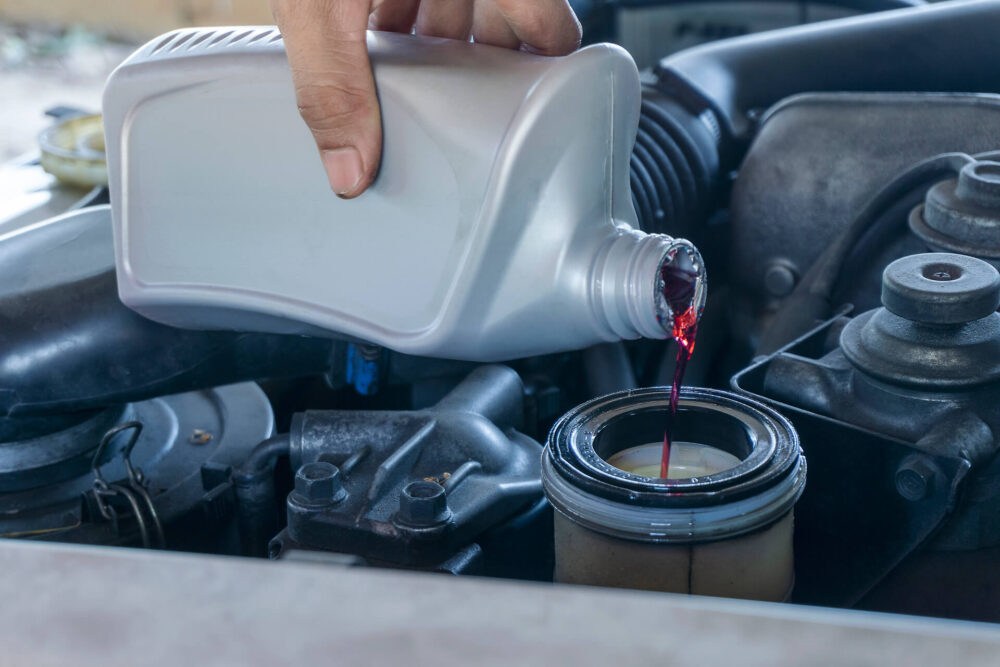
Owning a car provides convenience and independence, but it also comes with ongoing maintenance responsibilities. Regular checks and sensible driving habits can help keep a vehicle reliable, reduce the likelihood of unexpected breakdowns and identify potential problems before they become more expensive.
Although modern vehicles include increasingly sophisticated monitoring systems, drivers still benefit from understanding basic maintenance requirements.
From checking tyre condition and fluid levels to recognising warning signs and following service schedules, a little attention can make a significant difference to everyday motoring.
Check Tyre Pressure and Condition Regularly
Tyres are the only part of a vehicle that remains in direct contact with the road, making their condition particularly important.
Incorrect tyre pressure can affect handling, braking performance, fuel efficiency and tyre wear.
Drivers should check pressures when tyres are cold and use the figures recommended by the vehicle manufacturer. These can often be found in the owner’s handbook or on a label inside the driver’s door area.
It’s also important to inspect tyres for visible damage, including cuts, bulges and uneven wear.
In the UK, the legal minimum tread depth for most cars is 1.6mm across the central three-quarters of the tyre’s width and around its entire circumference.
However, tyre performance in wet conditions can deteriorate before reaching this limit, so earlier replacement may be advisable.
Don’t forget to inspect the spare tyre where one is fitted.
Monitor Engine Oil Levels
Engine oil lubricates moving components and helps protect the engine against excessive wear.
Running an engine with insufficient oil can cause serious mechanical damage, making regular checks worthwhile.
For vehicles with a conventional dipstick, oil levels should be checked according to the manufacturer’s instructions, usually with the vehicle parked on level ground.
Some modern cars use electronic monitoring systems instead.
Drivers should also pay attention to the recommended oil specification, as different engines require particular grades and formulations.
An illuminated oil pressure warning light should never be ignored. If it appears while driving, stop safely and follow the manufacturer’s guidance.
Adding oil isn’t necessarily a solution to every warning, particularly where a pressure problem or mechanical fault is involved.
Keep an Eye on Coolant and Other Fluids
Coolant helps regulate engine temperature and protect components from overheating and corrosion.
When the engine is cold, drivers can check the coolant expansion tank to ensure the level remains within the recommended range.
The cooling system should never be opened while hot because pressurised coolant can cause serious burns.
Brake fluid, windscreen washer fluid and other vehicle-specific fluids also require attention.
Low washer fluid is generally straightforward to resolve, while unexpected changes in brake fluid levels should be investigated professionally.
Repeated fluid loss may indicate a leak or another underlying problem.
Drivers should consult their vehicle handbook before adding fluids, as using an unsuitable product can cause damage.
Understand Dashboard Warning Lights
Modern vehicles use dashboard warning lights to communicate information about operating conditions and potential faults.
Some indicators simply confirm that a feature is active, while others require immediate attention.
A red warning light commonly indicates a potentially serious issue, although the precise meaning depends on the vehicle.
Amber warnings often indicate a fault or condition requiring investigation.
Drivers should familiarise themselves with the symbols used in their particular car rather than assuming every warning has the same meaning.
If a warning appears unexpectedly, consult the handbook and follow the recommended action.
Continuing to drive with certain faults can create safety risks or result in further mechanical damage.
Look After the Battery
A healthy battery is essential for reliable starting and operation of electrical systems.
Battery problems can become particularly noticeable during colder weather, when starting demands increase.
Warning signs may include slower engine cranking, difficulty starting or electrical equipment behaving unexpectedly.
Vehicles used mainly for short journeys can sometimes experience insufficient battery charging, particularly when electrical demands are high.
Drivers should also ensure battery connections are secure and free from obvious corrosion, although electrical work should be approached carefully.
If a battery repeatedly becomes discharged, professional testing can help establish whether the battery, charging system or another component is responsible.
Maintain Windscreen Wipers and Lighting
Clear visibility is essential for safe driving.
Windscreen wiper blades gradually deteriorate through exposure to sunlight, temperature changes and everyday use.
Streaking, juddering or missed sections of glass can indicate that replacement is needed.
Keeping the windscreen clean also helps reduce glare, particularly when driving at night or in low sunlight.
Exterior lighting should be checked regularly, including headlights, brake lights, indicators and rear lights.
A failed bulb or lighting unit can reduce visibility and make it harder for other road users to understand a driver’s intentions.
Replacement procedures vary between vehicles, and some modern lighting systems require specialist attention.
Follow the Recommended Servicing Schedule
Routine servicing helps maintain vehicle reliability and provides opportunities to identify developing faults.
Service requirements vary depending on the manufacturer’s recommendations, engine type, mileage and driving conditions.
Common service items include engine oil, filters, spark plugs, brake components and other consumable parts.
It’s important to remember that an MOT test is not a substitute for servicing.
An MOT assesses whether a vehicle meets specified roadworthiness and environmental standards at the time of testing. It doesn’t cover every aspect of mechanical condition or future reliability.
Maintaining service records can also be useful when selling a vehicle, as prospective buyers may value evidence of consistent maintenance.
Adopt Sensible Driving Habits
Driving style can influence both vehicle wear and running costs.
Smooth acceleration, appropriate speeds and anticipating traffic conditions can help reduce unnecessary fuel consumption and mechanical strain.
Avoiding harsh braking where possible may also reduce wear on brake components.
Drivers should take care when approaching potholes, speed bumps and damaged road surfaces, as impacts can affect tyres, wheels and suspension.
Unusual noises, vibrations or changes in vehicle behaviour should be investigated rather than ignored.
Conclusion
Regular car maintenance doesn’t require every driver to become a qualified mechanic. Understanding basic checks, recognising potential warning signs and following manufacturer recommendations can go a long way towards keeping a vehicle dependable.
By combining routine inspections with professional servicing and sensible driving habits, motorists can reduce avoidable problems, improve safety and potentially extend the useful life of their vehicles.